
The High-Pressure Electric Pump is generally not ideal for long-duration continuous operation when compared to industrial-grade air pumps. While it can handle intermittent high-pressure tasks efficiently, most consumer or light-commercial models are designed for duty cycles ranging from 20% to 60%, meaning they require frequent cooling breaks.
In contrast, industrial-grade air pumps are engineered for continuous-duty performance (100% duty cycle), making them suitable for manufacturing lines, pneumatic systems, and heavy-duty workshops where uninterrupted airflow is essential.
However, modern variants such as the high pressure electric water pump and electric power washer pump can sustain moderate extended operation under controlled thermal conditions, but still cannot fully match industrial air systems in endurance.
The internal structure of a High-Pressure Electric Pump typically includes a compact motor, piston mechanism, and limited cooling system. These components are optimized for portability and pressure efficiency rather than continuous industrial workload.
Most models operate within a pressure range of 100 PSI to 1500 PSI, depending on application. When used continuously beyond recommended cycles (often 10–30 minutes of operation followed by cooling), overheating becomes a significant risk.
For example, when used in inflating applications or light cleaning, short bursts are effective. However, sustained operation leads to:
Industrial air pumps are designed specifically for continuous operation environments such as factories, production lines, and automated machinery systems. Unlike portable electric pumps, these systems include advanced cooling mechanisms, oil lubrication, and reinforced piston assemblies.
A typical industrial-grade system can operate for 8 to 24 hours continuously with minimal performance degradation. They often support airflow capacities exceeding 200 liters per minute, ensuring stable pneumatic output.
This makes them fundamentally different from a High-Pressure Electric Pump, which prioritizes pressure over sustained volume output.
| Feature | High-Pressure Electric Pump | Industrial-Grade Air Pump |
|---|---|---|
| Duty Cycle | 20% - 60% | 100% continuous |
| Max Operation Time | 10 - 30 minutes per cycle | 8 - 24 hours |
| Pressure Focus | High PSI output | Stable airflow volume |
| Cooling System | Basic passive cooling | Advanced forced/oil cooling |
| Use Case | Portable tasks | Industrial systems |
In real-world usage, a High-Pressure Electric Pump is commonly used in bicycle inflation, automotive tire maintenance, and portable cleaning systems. When integrated into a electric power washer pump, it becomes useful for household cleaning, patios, and vehicle washing.
The high pressure electric water pump variant is especially popular in agricultural irrigation and mobile washing systems, where short bursts of high-pressure water flow are required rather than continuous industrial air delivery.
Industrial air pumps, however, dominate in environments such as:
Choosing between a High-Pressure Electric Pump and an industrial-grade air pump depends heavily on workload intensity and duration requirements.
Maintenance plays a key role in determining the real operational lifespan of a High-Pressure Electric Pump. Regular cooling cycles, seal inspection, and motor ventilation cleaning are essential to avoid early failure.
Industrial pumps, while more durable, also require structured maintenance schedules including lubrication checks and filter replacements. However, their components are designed for heavy-duty continuous stress tolerance.
In terms of safety, overheating protection systems in modern pumps help reduce risk, but industrial systems still maintain a higher safety margin due to redundant cooling and pressure regulation systems.
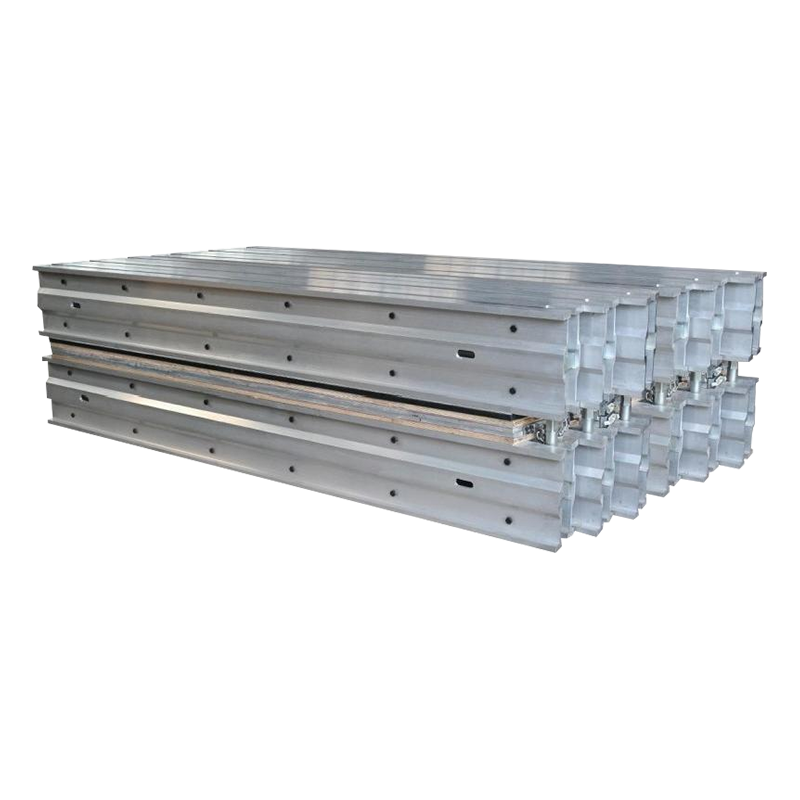 TXCK Koc elektryczny typu chłodzona wodą maszyna wulkanizacyjna
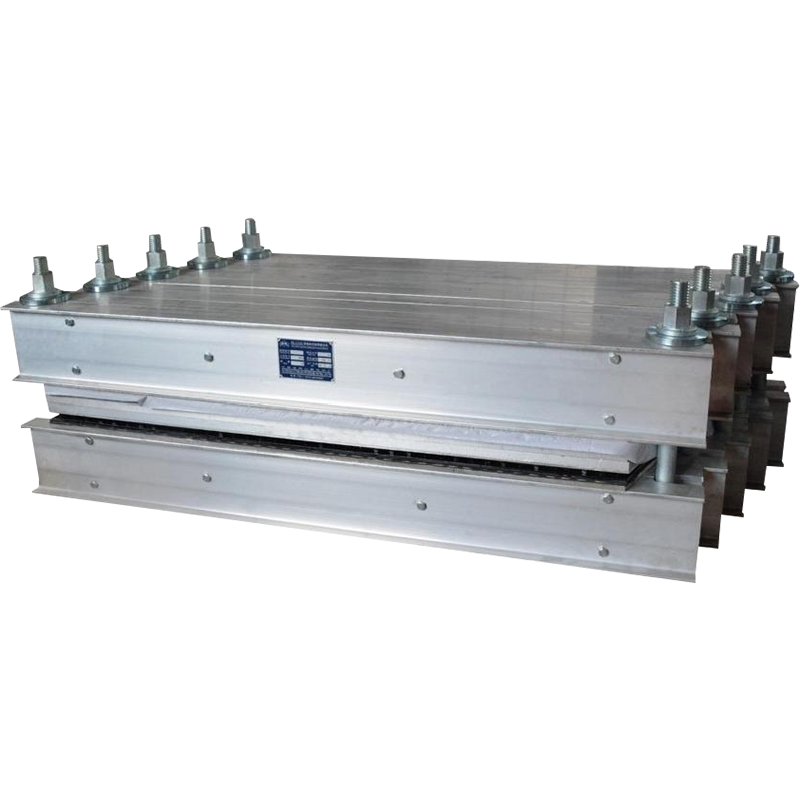 DJSL/DGLJL Chłodzona wodą lekka maszyna wulkanizacyjna
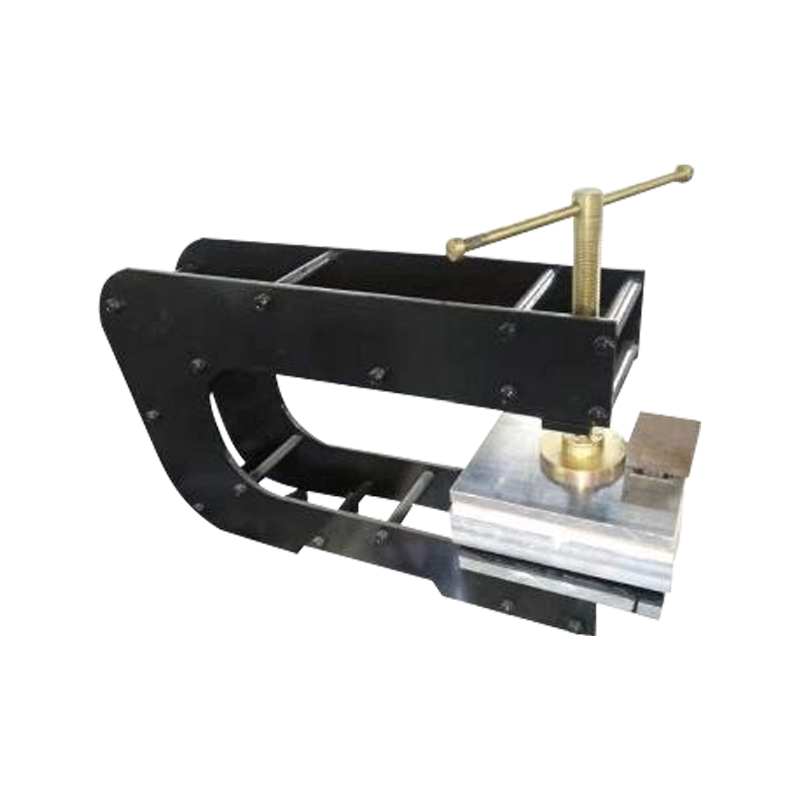 Łatacz punktów przenośnika taśmowego XBG-1
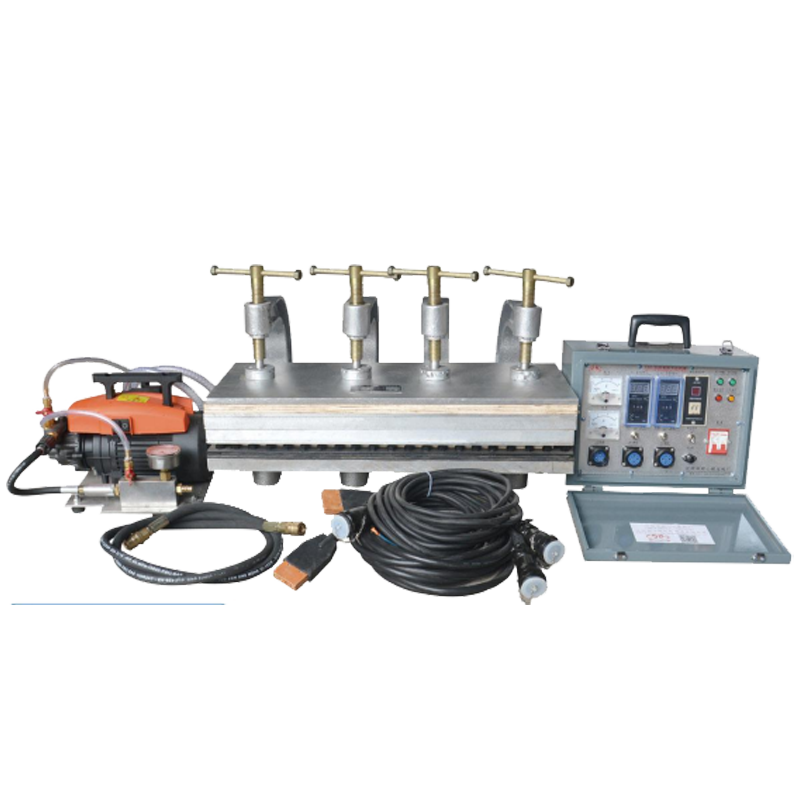 Urządzenie do łatania krawędzi przenośnika taśmowego XBG-2
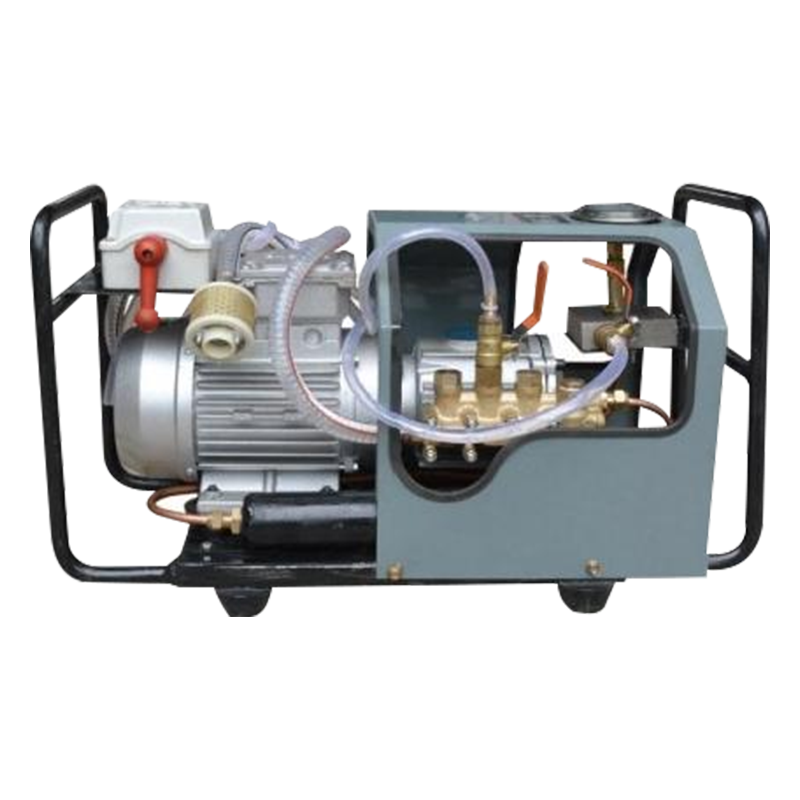 Naprawa przenośnika taśmowego: zapewnienie optymalnej wydajności i trwałości
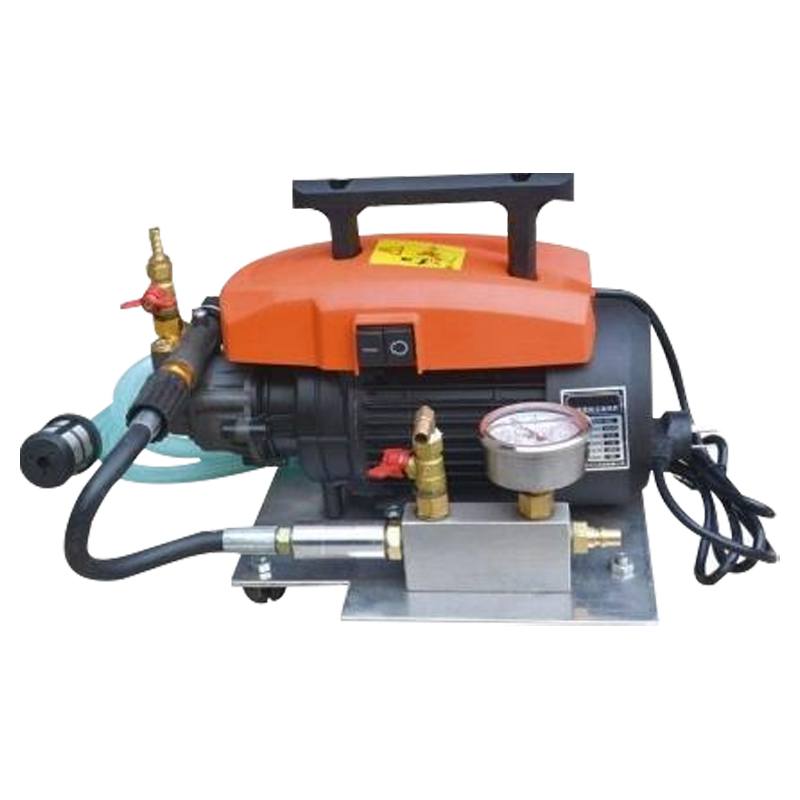 Co to są maszyny wulkanizujące z przenośnikiem taśmowym?
Co to jest maszyna do wulkanizacji przenośnika taśmowego i jak działa?
Co to są maszyny wulkanizujące z przenośnikiem taśmowym?
Co to jest maszyna do wulkanizacji przenośnika taśmowego i jak działa?
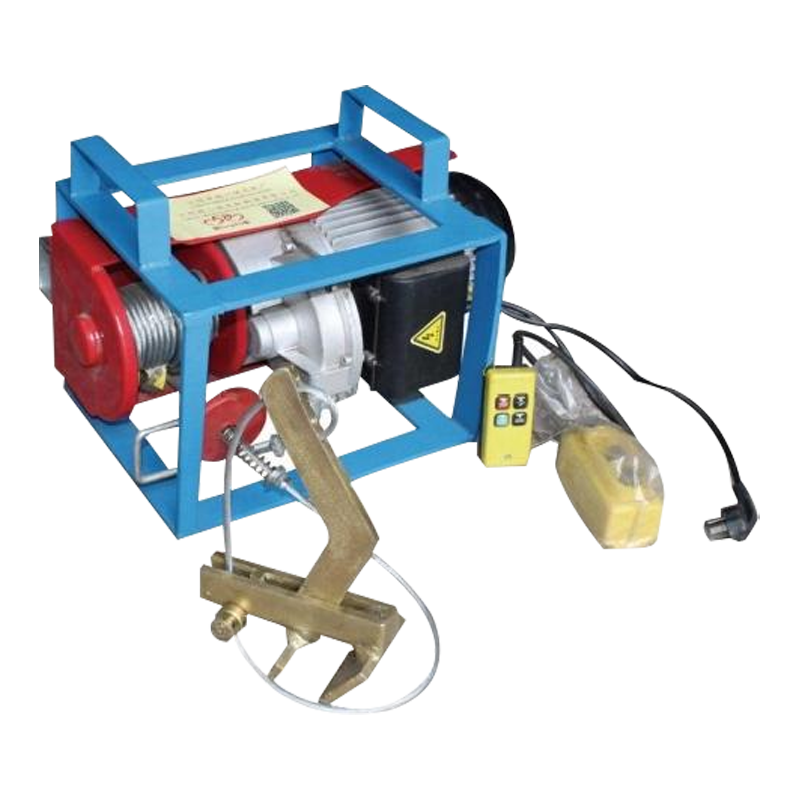 Maszyny do naprawy przenośników taśmowych: jak je wybrać, konserwować i czerpać z nich korzyści
 +86-18915223007
  +86-0510-86336668
  [email protected]
  Nr 21, Hetang Central Street, miasto Jiangyin, prowincja Jiangsu
 Prawa autorskie © Jiangyin Tongxin Vulcanizing Machine Manufacturer Co., Ltd. Wszelkie prawa zastrzeżone.
Producenci akcesoriów do wulkanizatorów taśmowych OEM / ODM



 Eng
Eng  Home
Home